Hill Country ground
Most Helotes yards sit on rock, not deep clay, so the base matters more than usual. The Texas Master Naturalists describe far north Bexar County as Edwards Plateau country, with thin soils over limestone and dolomite. In Helotes you can see it in the creek. Helotes Creek comes down off the plateau and reaches the Edwards Aquifer recharge zone near the old downtown, where blocks of fractured limestone sit in the creekbed. The creek is usually dry but can run for months in a wet spell.
On ground like that, a turf install goes like this:
- Excavation to a set depth. We remove sod and loose soil, and break up rock that sits above grade.
- Grading for slope. Where a yard slopes, we shape the base so water runs off where you want it.
- A compacted aggregate base. Crushed stone, compacted in lifts, gives the turf a firm, even surface on uneven rock.
Water that feeds two aquifers
Rain that falls around Helotes counts twice. Texas Public Radio reported that the Helotes Creek watershed recharges the Trinity Glen Rose Aquifer, the main local source, and sits over the contributing zone for the Edwards. It cited estimates that up to 15% of the Edwards Aquifer’s recharge comes from that watershed. A turf lawn needs no fertilizer or weed treatments and no landscape watering. The city sends residents to SAWS for watering rules, and SAWS was in Stage 3 in early October 2026.
Room for a field
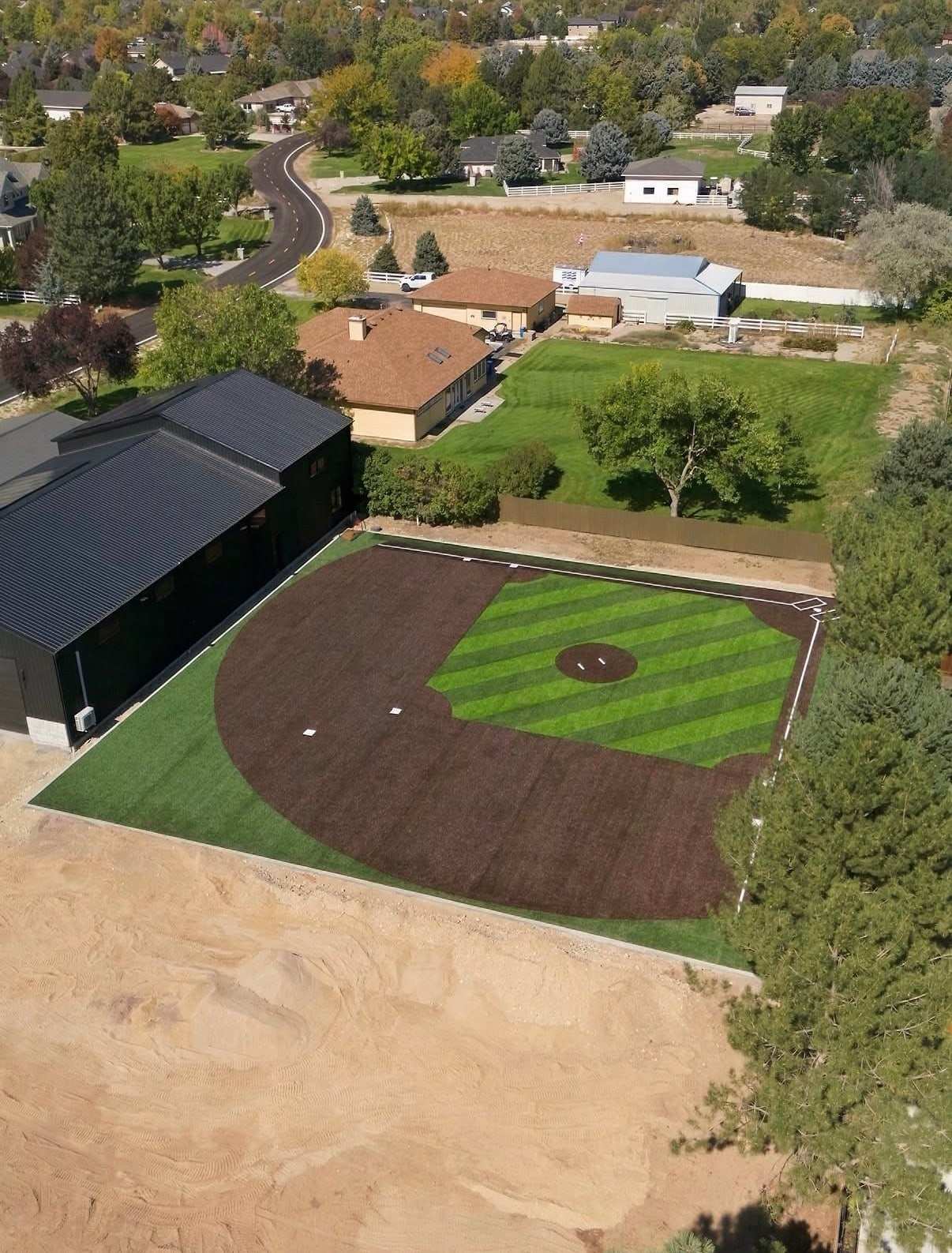
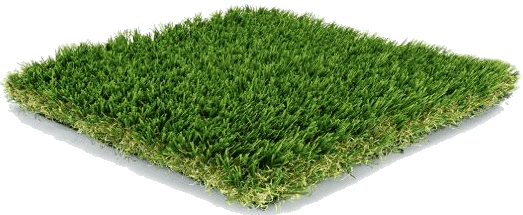
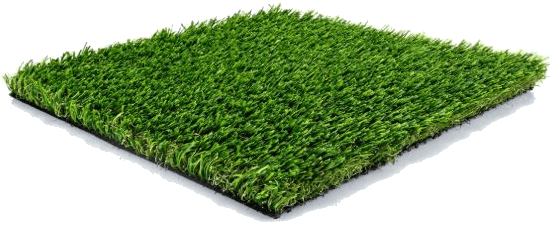
Helotes grew from 1,535 residents in 1990 to 9,030 in 2020. When a lot has the room, some projects need a lot of space: a backyard infield or outfield, a batting area, or a lawn big enough for real games. For large play areas we usually suggest Tropical Flow 62, which stands up to traffic and stays cooler in full sun. Tropical Flow 50 keeps the cost down on long side yards and borders.
A town with deep roots
Helotes was settled in the 1850s by German and Mexican immigrants and incorporated in 1981. The name traces to the Spanish words for corn on the cob, and the town still holds its Cornyval festival, which started in 1966. Dr. George Marnoch’s 1859 limestone house and John T. Floore’s Country Store, open since 1946, are two of the best-known local landmarks.