Keep tournaments on schedule
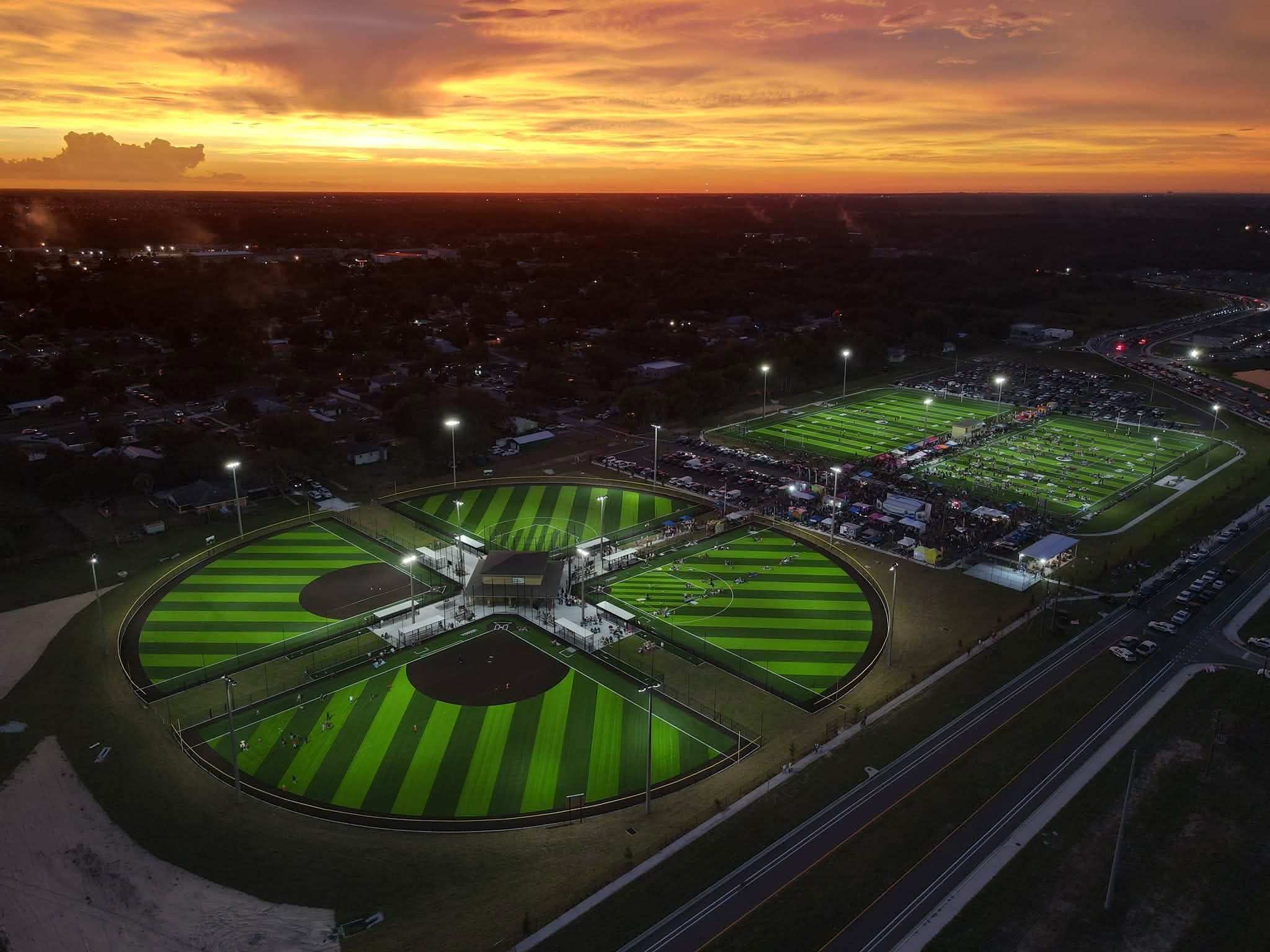
Rain-outs are the biggest threat to a softball tournament weekend, and turf removes most of them. A turf field needs no rest days after rain. Speed Zone is perforated for permeability above 30 inches per hour, so a field can usually return to play soon after a storm. For complexes, the added hours multiply: San Francisco Recreation and Park reports that large turf complexes gain 5,000 to 10,000 playable hours a year.
Infield options
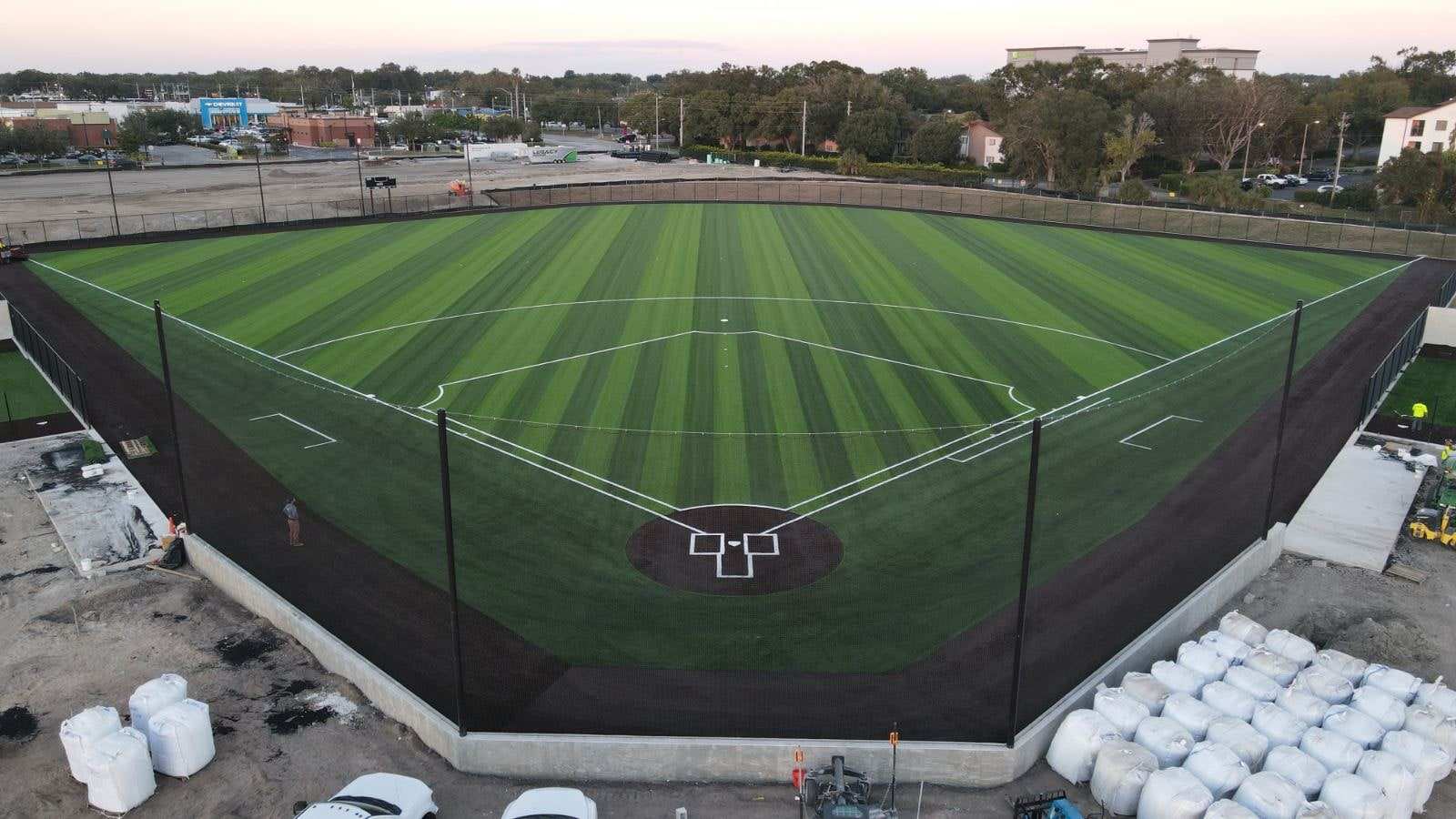
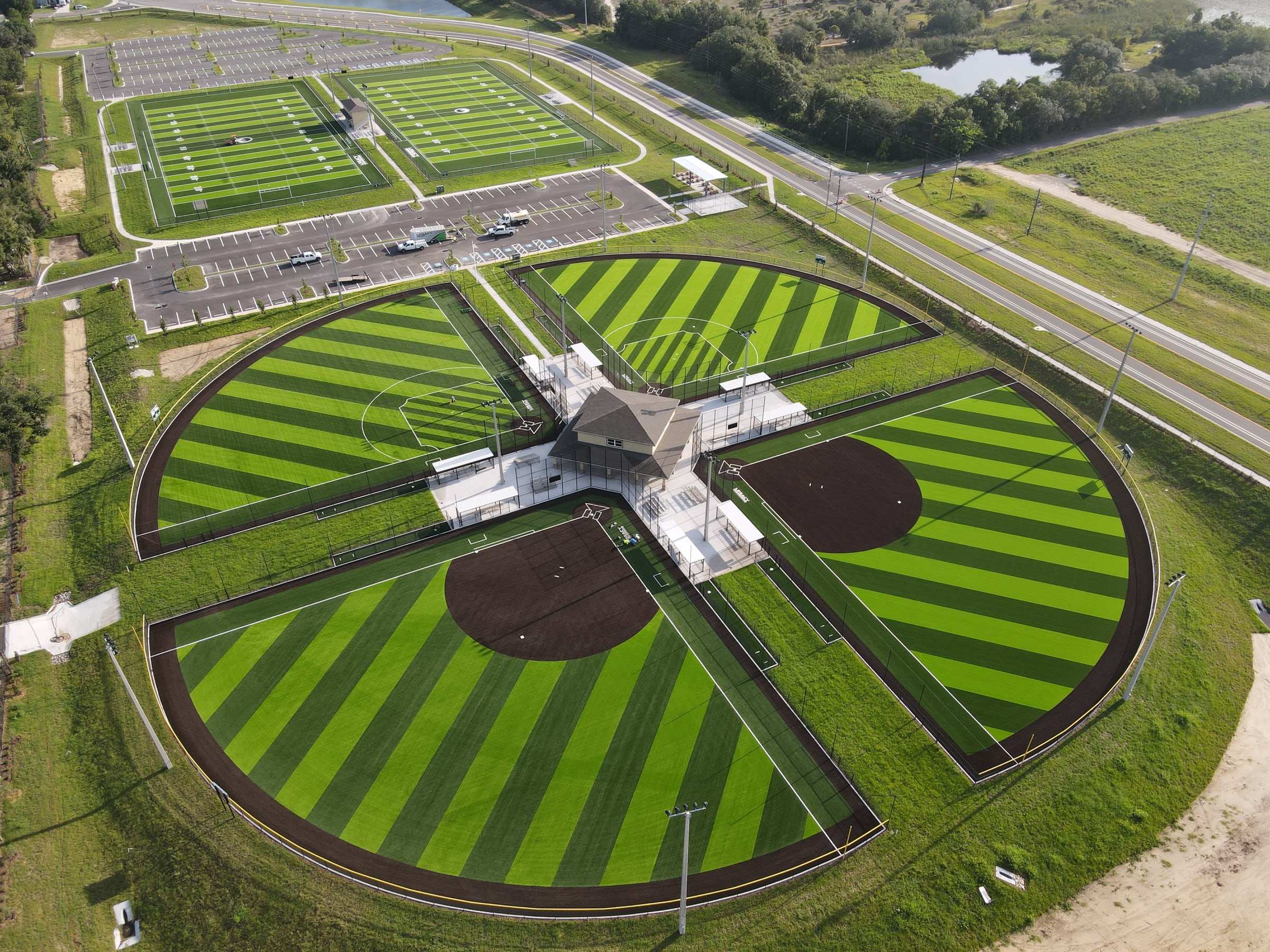
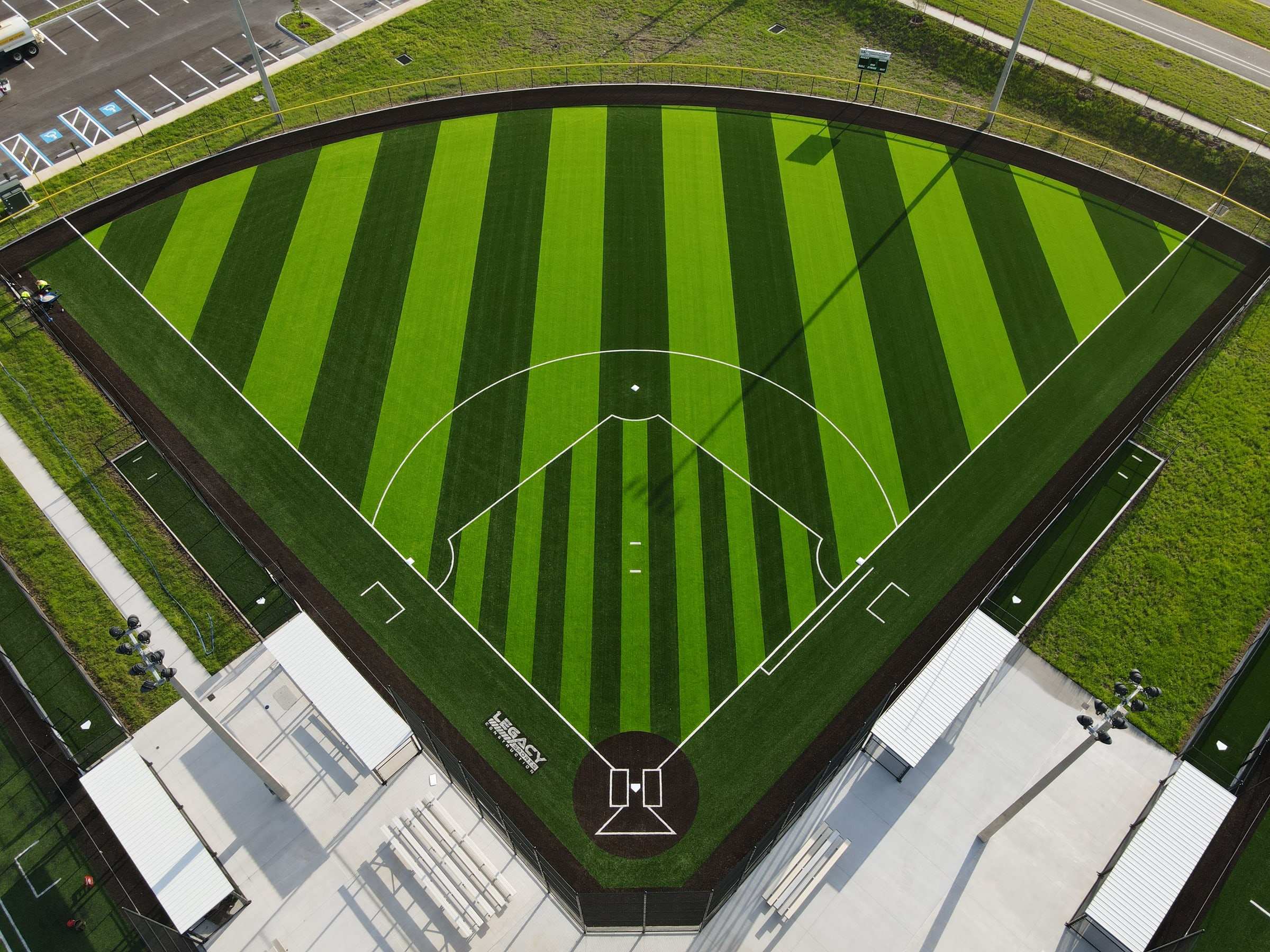
You don’t need a dirt infield. NFHS recommends a 60-ft skinned infield, but it isn’t required. Many fields use clay-colored turf for the infield, base paths and circle so the field keeps a traditional look without dirt to drag, water and rebuild. Programs that kept dirt cutouts inside turf often report clay migrating into the surrounding turf, which adds maintenance. That’s the same lesson baseball field managers describe.
Layout
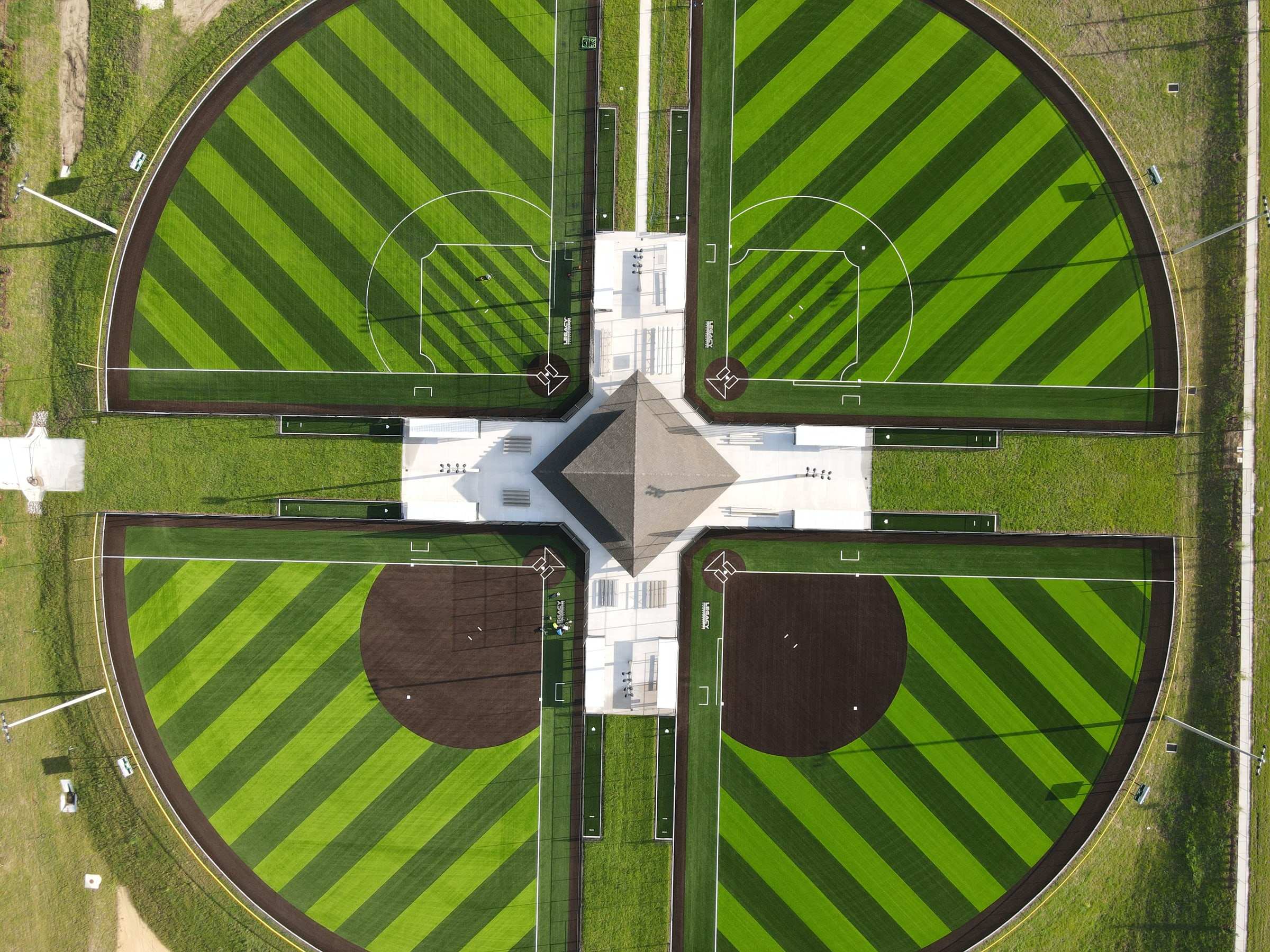
Under NFHS and NCAA rules, fast-pitch base paths are 60 ft and the female fast-pitch pitching distance is 43 ft, with a 16-ft pitcher’s circle. NFHS recommends fast-pitch fences at 185–235 ft. NCAA requires at least 190 ft down the lines and 220 ft to center with a 6-ft fence, and new construction must reach 200 ft down the lines. Slow-pitch fields run deeper, at 250–300 ft depending on the division.
Fast pitch and slow pitch on one field
If a field hosts both fast pitch and slow pitch, plan the layout for the deepest division you’ll host. NFHS lists slow-pitch fences at 250–275 ft for women and 275–300 ft for men, compared with 185–235 ft for fast pitch. Base paths also change: 60 ft for fast pitch and 12-inch slow pitch, and 65 ft for women’s slow pitch with the 11-inch ball. Portable or painted secondary markings let one turf field serve both.
Built for complexes
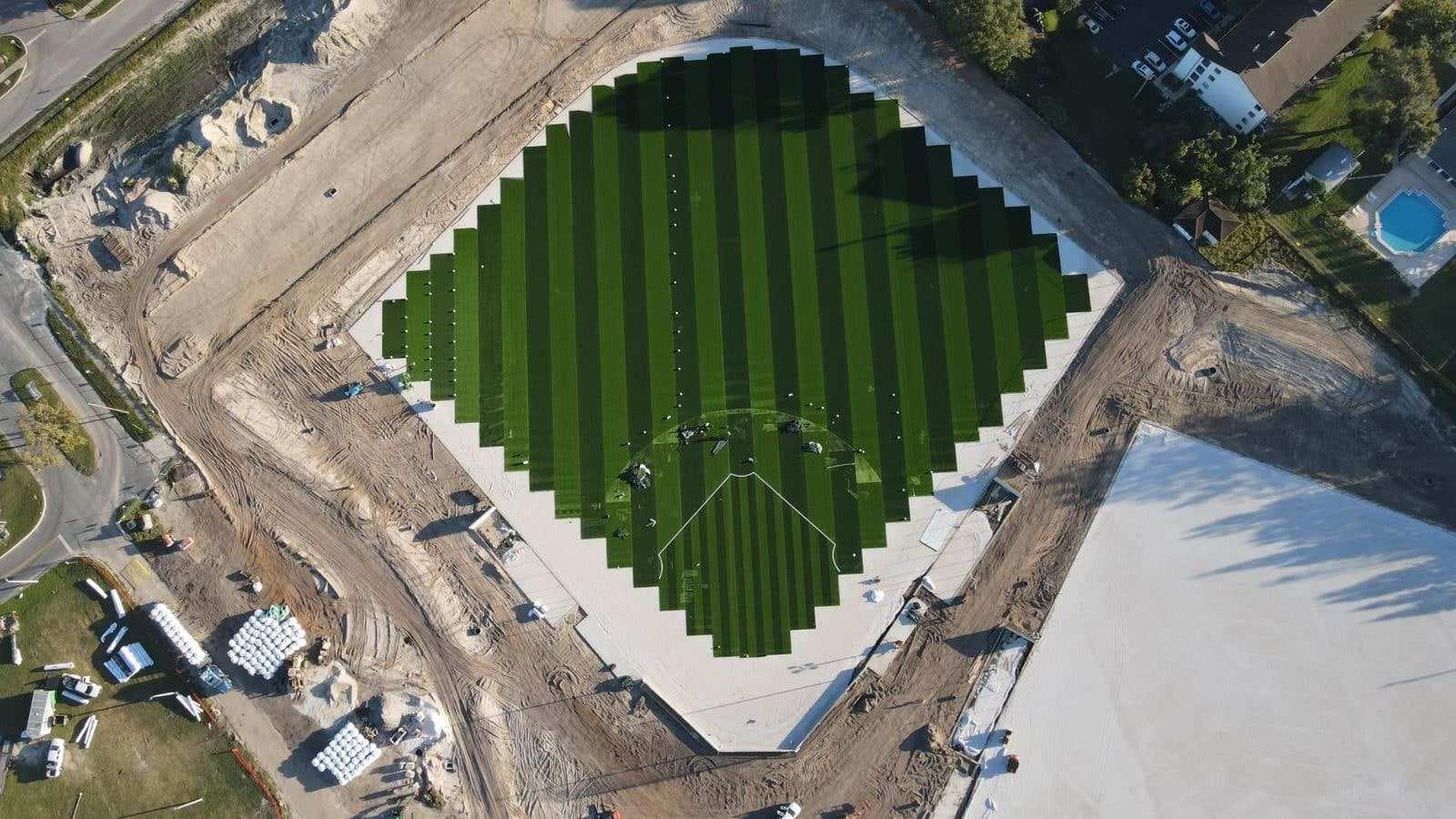
We manufacture matching Speed Zone turf for every field in a complex and plan the roll layout across all of them, so fields look and play the same. Rolls are 15 ft wide and made to custom lengths up to 220 ft. Speed Zone uses a 2-inch pile of slit-film and monofilament polyethylene at 42 oz per square yard, with tuft bind above 8 lbs. Plan annual impact testing (Gmax) and regular grooming in high-wear areas like the circle and the base paths.