A river city with old and new yards
St. Charles has some of the oldest residential ground in the region and plenty of newer subdivisions too. Louis Blanchette, a French-Canadian fur trader, founded it around 1769 as Les Petites Côtes, “the little hillsides.” It served as Missouri’s first state capital from 1821 to 1826. The 2020 census counted 70,493 residents.
The city sits on the Missouri River near where it meets the Mississippi, and the Katy Trail starts its 225-mile run on the riverfront near Frontier Park. That mix shapes our jobs. Homes near the historic core tend to have smaller, tighter yards. Newer neighborhoods farther from the river have bigger, open backyards.
Soil on the hillsides
The name fits. Much of the upland ground along the Missouri River formed in thick loess, and the USDA describes Menfro, Missouri’s state soil, as very deep and well drained on ridgetops and benches next to the river, with a subsoil that grades into silty clay loam. University of Missouri Extension says most Missouri soils take in only about half an inch of water per hour.
For turf, that means we don’t rely on the native soil to move water quickly. We cut out the sod, compact a crushed-rock base, and pitch the grade so heavy rain runs through the backing and off the yard instead of sitting under it.
Greens and dogs in one yard
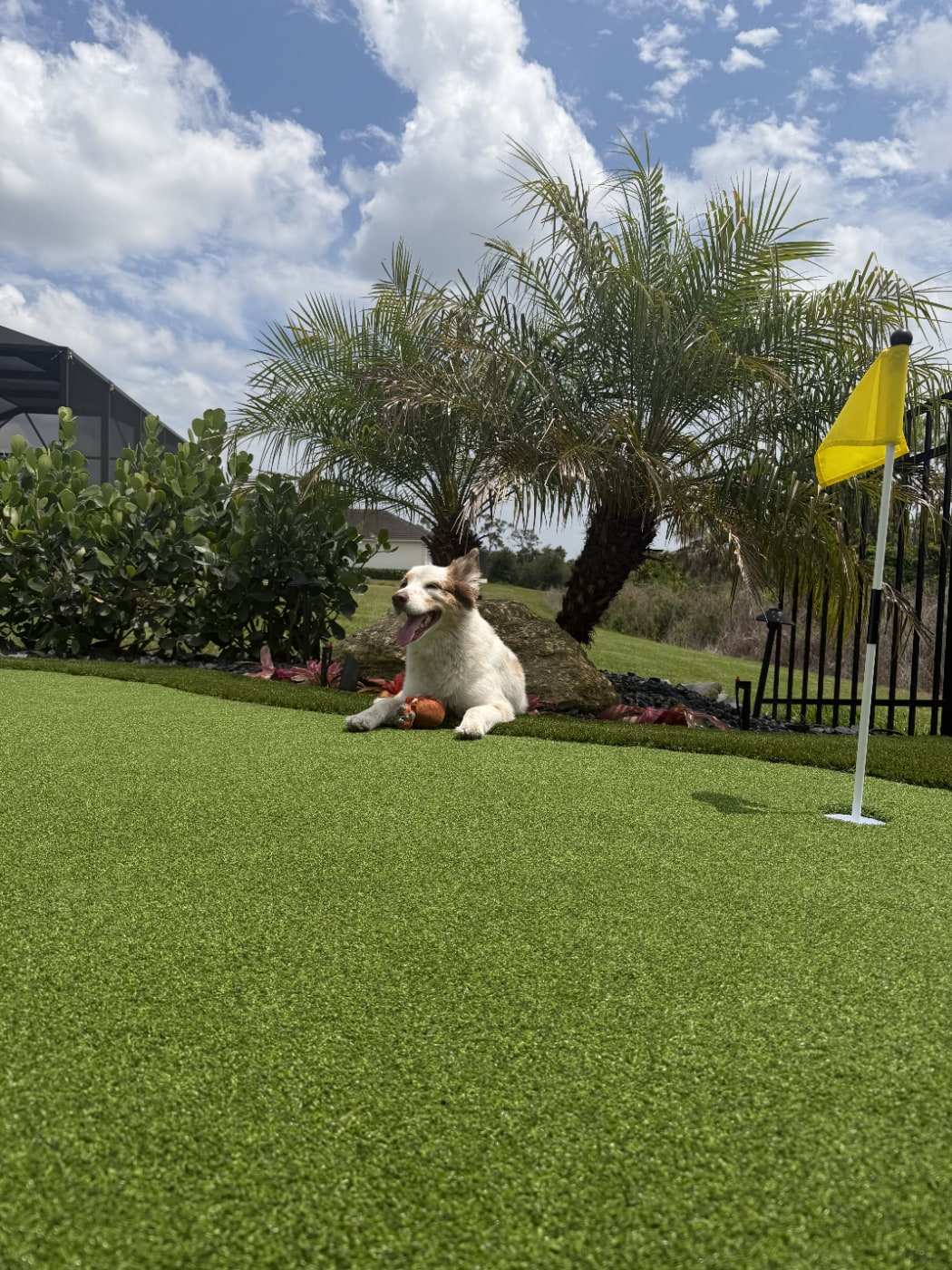
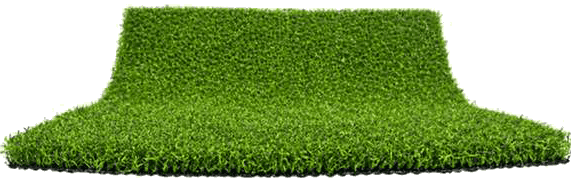
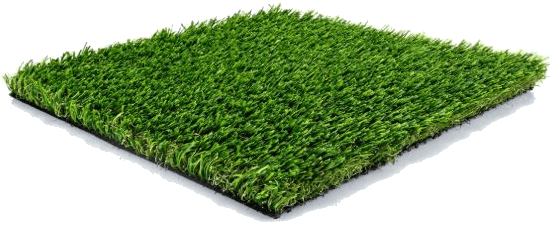
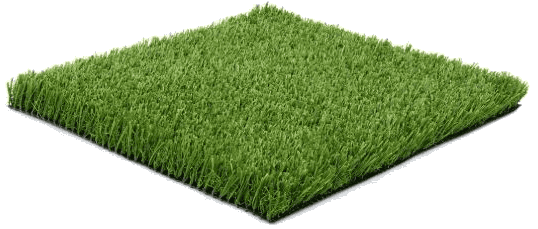
Putting greens and dogs often end up in the same backyard, like the one in our photo. The two work together if you plan for both. We usually build the green on putting turf and run a pet-turf area along the fence or the back door path, where the dog actually spends its time. The pet blade drains straight through, so you hose it down instead of patching dead spots.
Water from the Missouri River
Your tap water likely comes from the same river you drive over on the way to work. The City of St. Charles Water Division screens and treats Missouri River water at its own treatment plant, and Missouri American Water serves some St. Charles ZIP codes as well. Either way, a turf lawn takes irrigation off your bill. MU Extension says a cool-season Missouri lawn can need 1 to 1.5 inches of water a week in summer to stay green.