Ballwin at a glance
Ballwin is a west St. Louis County suburb strung along Manchester Road. It was founded in 1837 and named for John Ball, who settled there in 1804, and it incorporated on December 29, 1950. The population grew 72.4% during the 1990s and stood at 31,103 in 2020. Vlasis Park, at 31 acres, is the city’s largest park, and The Pointe at Ballwin Commons is its recreation center.
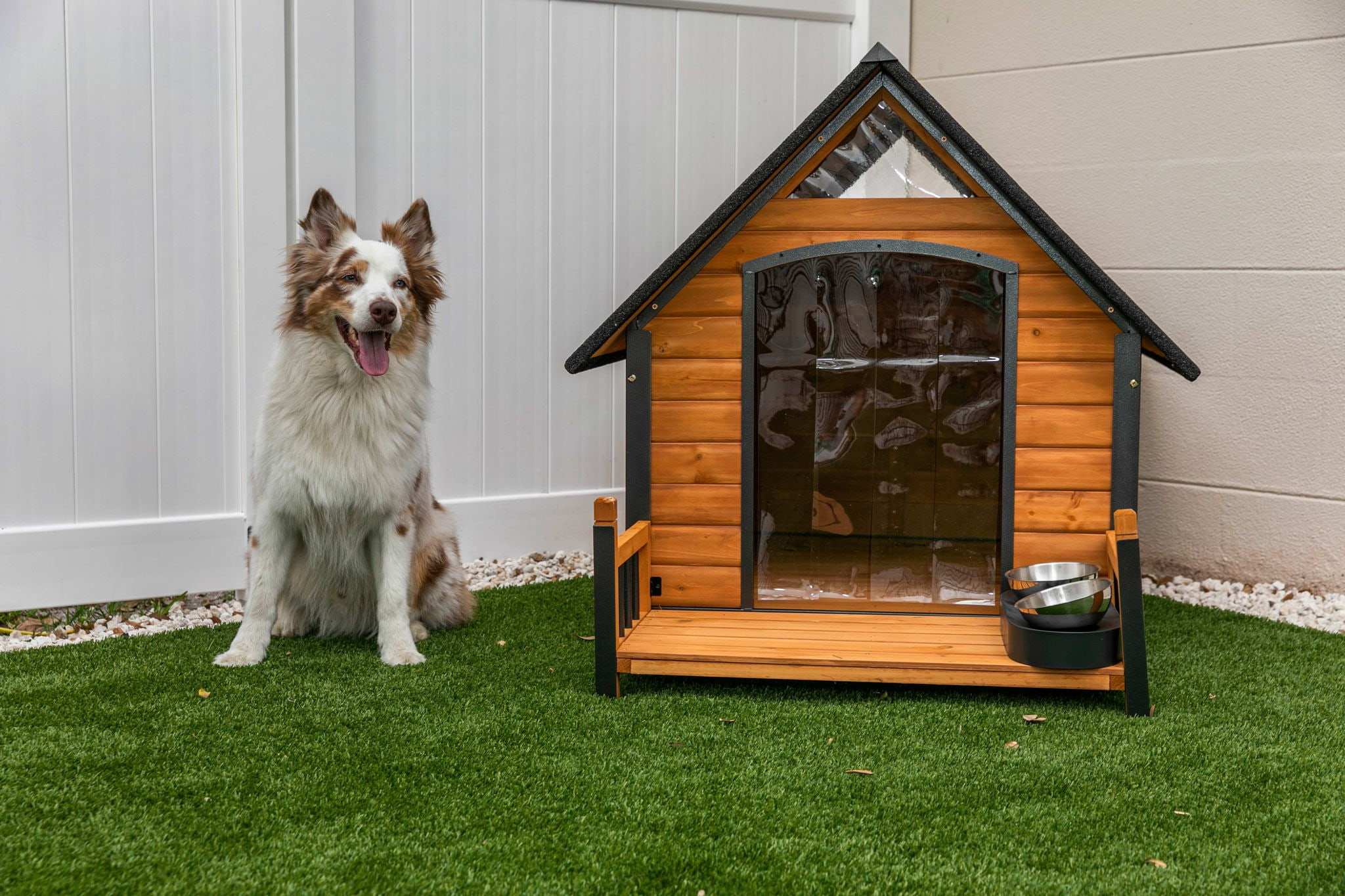
If you have a fenced backyard and a dog, the dog has probably already decided where the path goes.
Why dog yards turn to mud here
The St. Louis climate is hard on grass that gets daily paw traffic. NOAA’s 1991–2020 normals show about 85 nights a year at or below freezing, so the ground freezes and thaws over and over each winter, and April and May are the wettest months. Worn grass along a fence line has no roots left to hold that soil, so every thaw and every spring storm turns it soft.
Soil makes it worse. Much of the region’s upland soil is loess whose subsoil grades into silty clay loam, and MU Extension says most Missouri soils absorb only about half an inch of water an hour. Rain that falls faster than that sits on top, right where the dog runs.
How pet turf fixes it
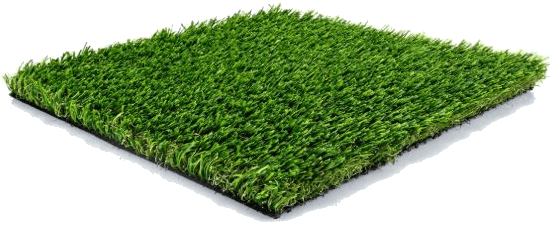
We remove the mud and worn sod, then build a compacted crushed-rock base that drains far faster than the native soil. Premier Pet Flow 55 goes on top. It’s a shorter, resilient S-blade with flow-through backing, so urine and rinse water pass down through the turf and into the base instead of soaking into a pad.
The result: paws come in clean in March, the fence-line track disappears, and there are no yellow spots to reseed each fall.
Planning the yard
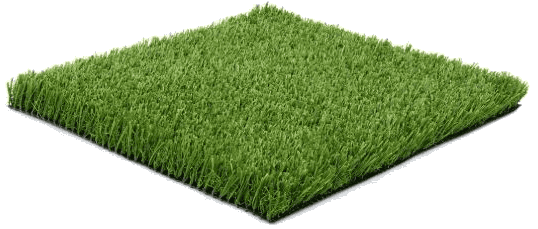
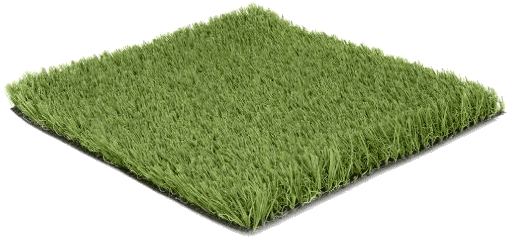
Most dog owners turf the whole fenced area or the part the dog actually uses. Shade from a dog house or deck doesn’t matter to turf the way it does to grass. If the dog area sits next to a play lawn, we can switch to a softer lawn turf at a clean seam, so each section gets the right product.