Turf for a small beach town
Melbourne Beach is a town of about 1.4 square miles on the barrier island, between the Indian River Lagoon and the Atlantic, reached over the Melbourne Causeway through Indialantic. Lots here are close together and close to the water on one side or the other. Sandy soil, salt spray and wind make natural grass a constant project.
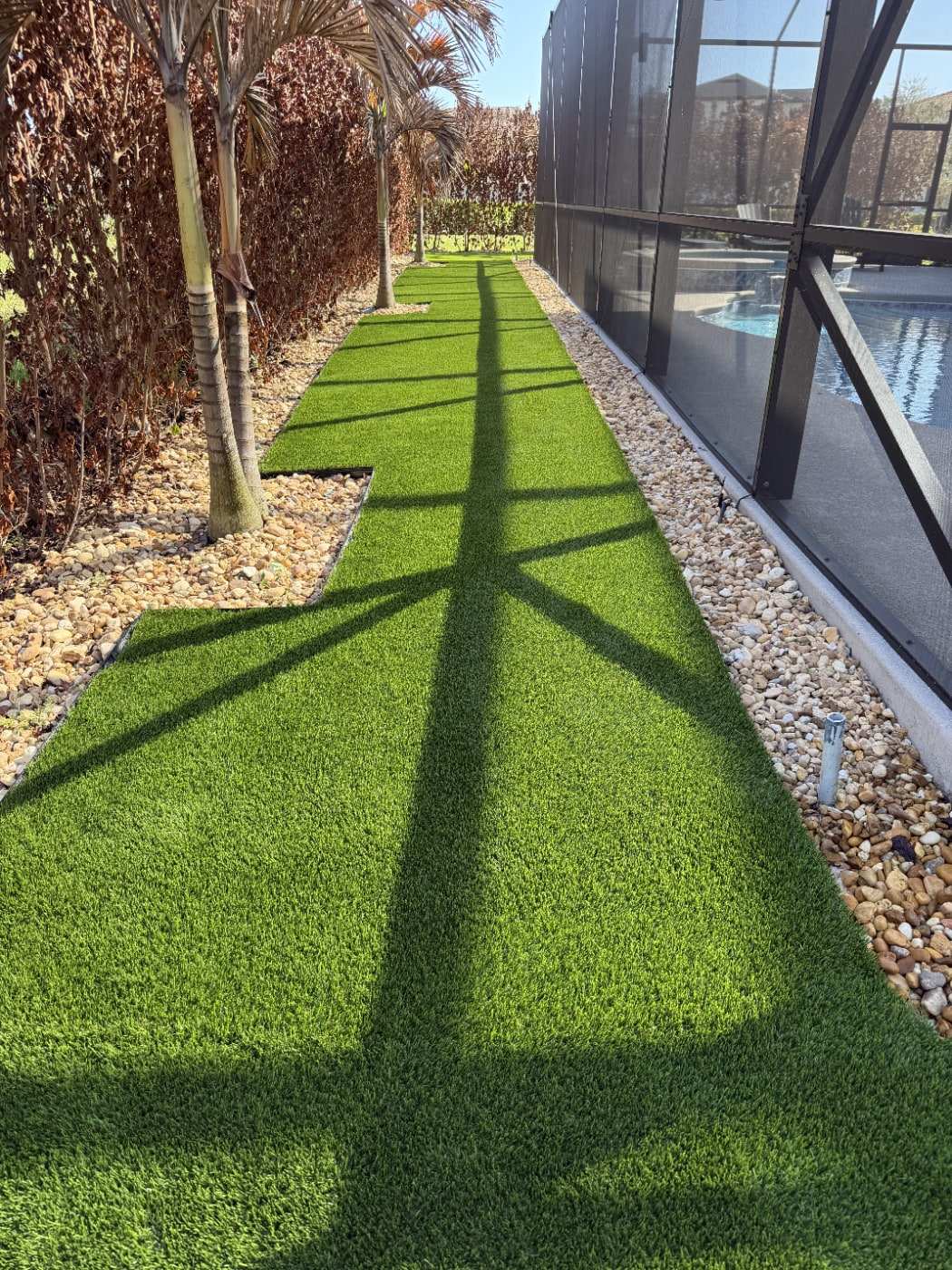
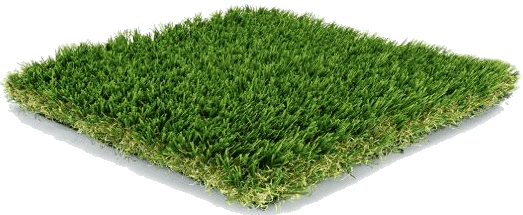
Turf takes that work off the list. Our blades are UV-stabilized for year-round sun, and our Flow-series backing drains over 400 inches per hour. For breezy, sandy lots we often recommend Malibu Flow 65, a no-infill turf, so there’s no loose infill to shift or wash out.
Behind the dunes
On the ocean side, turf has to stop at the dune line. Florida’s turf standard (DEP Rule 62-308.100) requires turf to be landward of any dune system and bars it from replacing dune vegetation. Melbourne Beach protects its shoreline closely, including Coconut Point Park, a sea turtle nesting site. We lay out beach-side jobs well behind the dunes.
The same rule requires anchored edges and seams to resist wind and flooding, permeable turf over a washed natural base, and a 10-foot setback from the lagoon unless a seawall separates them.
Sand and a shallow water table
Brevard is the type location of the Canaveral soil series: sand and shell that drains fast but can hold a water table 10 to 40 inches down for months. We build a compacted crushed-rock base so the surface stays level when the ground is wet.
Watering and fertilizer, by the town’s rules
The town publishes the St. Johns River Water Management District schedule. During Daylight Saving Time, odd addresses water Wednesday and Saturday and even addresses Thursday and Sunday, with no watering from 10 a.m. to 4 p.m. and no more than one hour per zone. Its fertilizer ordinance bans nitrogen and phosphorus from June 1 to September 30, sets a 15-foot fertilizer-free zone and a 25-foot voluntary low-maintenance zone, and lists a $200 fine for violations. A turf lawn sidesteps all of it.